




Accelerator pedals
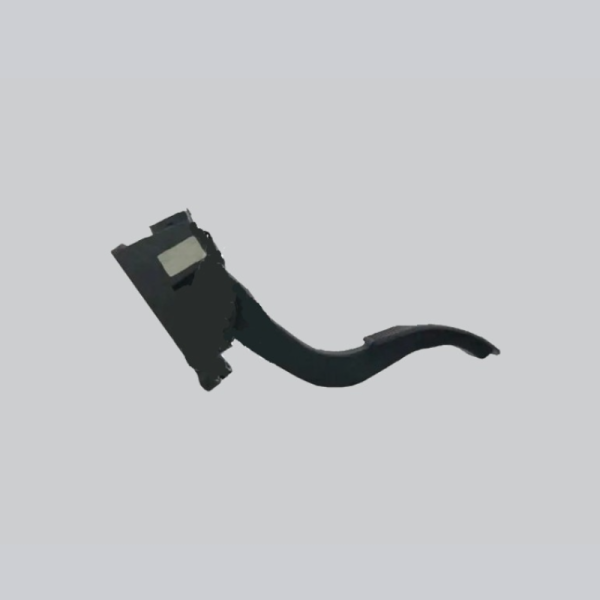
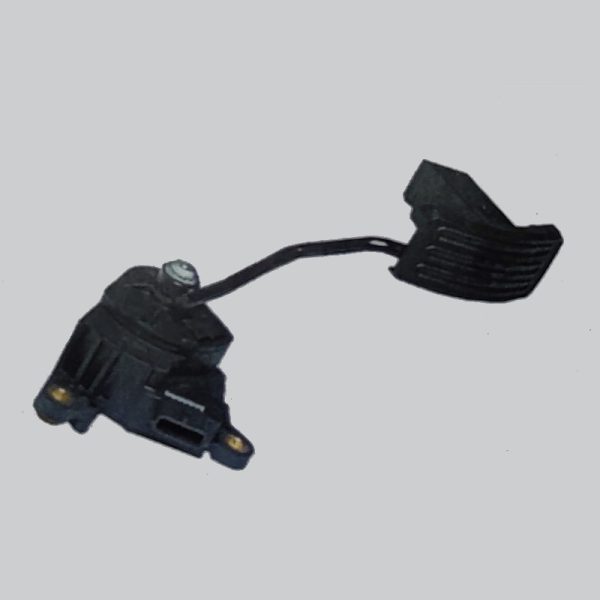
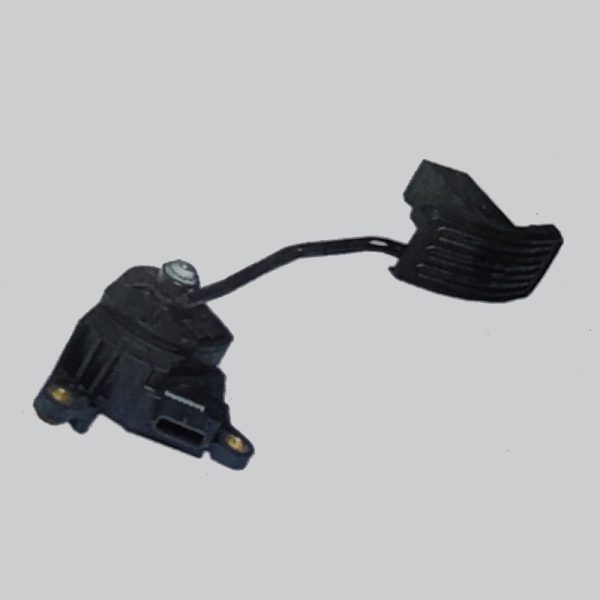
Accelerator pedals for bodywork and interior maintenance
In this section of our online catalog specialized in bodywork components, we offer a technical selection of accelerator pedals intended for heavy-duty and industrial transport vehicles. These components are essential to ensure precise communication between the driver’s input and the engine’s response, guaranteeing efficient and safe driving.
Our range of spare parts is aimed at professional mechanics, fleet managers, and owners of industrial vehicles who need to replace defective or excessively worn units. We offer solutions compatible with various electronic management systems, facilitating repair and preventive maintenance of the driving position.
Key criteria for selecting the right pedal
- OEM reference: It is essential to match the original part number to ensure absolute compatibility.
- Mounting type: Check whether the vehicle requires a floor-mounted or suspended pedal.
- Connectivity: Verify the connector type and number of pins to ensure proper signal transmission to the ECU.
- Sensor configuration: Identify whether the system requires single or dual potentiometer sensors, or Hall-effect technology.
- Operating angle: The pedal travel and angle must match the vehicle manufacturer’s specifications.
Frequently asked questions
How do I know if the accelerator pedal is compatible with my heavy-duty vehicle?
The most reliable way to ensure compatibility is by verifying the original (OEM) reference printed on the old pedal. You can also check the vehicle’s technical data sheet to confirm the exact model and year of manufacture, as electronic connections may vary between versions.
What are the symptoms of a faulty accelerator pedal?
The most common failures include delayed throttle response, sudden loss of power, unstable idle, or activation of the engine warning light on the instrument panel. In modern vehicles, the system may enter “limp mode,” limiting speed.
Is it necessary to calibrate the pedal after installation?
In many modern vehicles with electronic management (drive-by-wire), a learning or calibration process must be performed using a diagnostic tool after installation. This ensures that the engine control unit correctly recognizes the pedal position values at idle and at full load.
What is the difference between a contact sensor and a non-contact sensor?
Pedals with contact sensors (potentiometers) use resistive tracks that can wear out mechanically over time. Non-contact sensors (usually Hall-effect) use magnetic fields, offering longer service life and greater resistance to vibrations and dirt, which are common in the industrial sector.
