




Brake valves
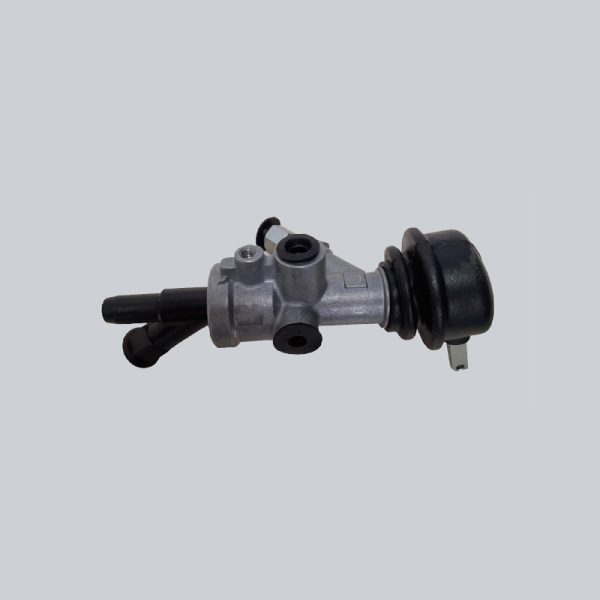
Integrity of the Brake and Braking System Through Efficient Valves
In this section of our online store, we provide an extensive catalogue of brake valves specifically designed for industrial and heavy-duty vehicles. These components are essential for managing compressed air within the circuit, ensuring that pressure is correctly distributed to the actuators at the precise moment of stopping or reducing speed.
Our range of spare parts is aimed at mechanical workshops and fleet managers who require reliable replacements for the maintenance of trucks, buses and trailers. Keeping these components in optimal condition is vital to guarantee road safety and successfully pass technical inspections, preventing prolonged vehicle downtime.
Criteria for choosing the correct valve
- Original reference (OEM): Always verify the manufacturer’s part number to ensure full compatibility with the system.
- Type of actuation: Identify whether you need a foot valve, hand valve, relay valve, limiting valve or four-way valve depending on its function within the circuit.
- Technical specifications: Check the maximum working pressure and the airflow capacity supported by the component.
- Connections and threads: Ensure that the inlet and outlet ports match the pneumatic pipes installed on the vehicle.
- Vehicle application: Confirm that the replacement part is suitable for the make, model and year of manufacture of your truck or heavy vehicle.
Frequently Asked Questions
What is the main function of brake valves in heavy-duty vehicles?
Their function is to regulate, distribute and release compressed air within the pneumatic system. They convert the driver’s action on the pedal or lever into effective braking force at the wheels, also managing brake response and release timing.
What are the symptoms of a defective brake valve?
The most common signs include audible air leaks when the system is pressurized, slow response when pressing the pedal, brakes remaining engaged, or irregular readings on the dashboard pressure gauges. In the presence of these symptoms, immediate inspection is recommended.
How do I identify which type of valve I need to replace?
The most advisable method is to locate the identification plate or engraving on the body of the old component to obtain the exact reference. If it is not visible, consult the vehicle’s parts manual or contact a specialist providing the chassis number.
Is it necessary to bleed the system when replacing a valve?
Generally, bleeding liquid as in hydraulic systems is not required, as these vehicles typically use pneumatic (air) brakes. However, it is crucial to drain the air tanks before installation and verify system tightness after assembly to prevent pressure leaks.
