




Master or main cylinders
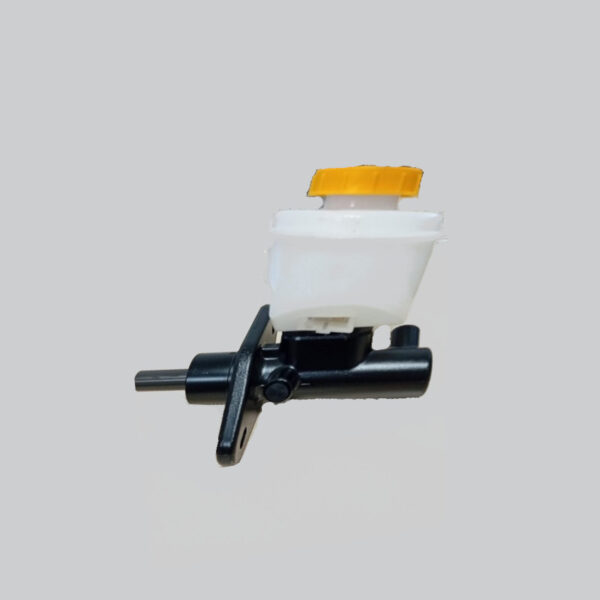
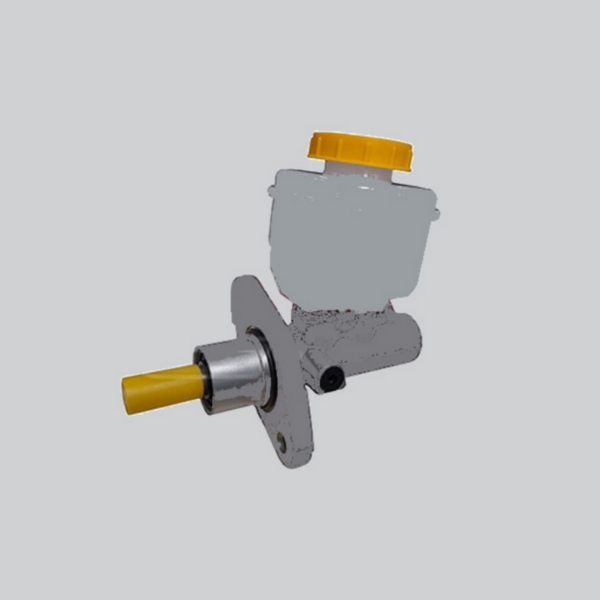
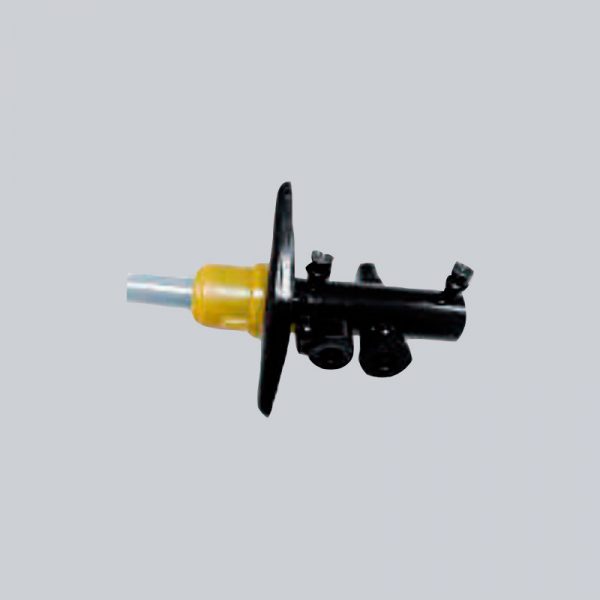
Brake and Braking Spare Parts: Master Cylinders
In this section of our online catalogue, we offer a technical selection of master cylinders designed to meet the demands of heavy-duty and commercial vehicles. These components are fundamental parts for the correct transmission of hydraulic force within the vehicle’s safety system, ensuring continuous operability in professional environments.
Our range is aimed at transport professionals, fleet managers and specialized mechanics who require reliable spare parts for brake circuit maintenance. Ensuring the proper condition of this component is essential to guarantee an effective and controlled braking response, especially in high-load situations typical of the industrial sector.
Key aspects when choosing a brake master cylinder
- OEM reference: The safest way to ensure accuracy is to cross-check the manufacturer’s original part number with the new replacement to guarantee an identical fit.
- Cylinder diameter: Verify the technical specifications of the internal diameter (bore size) to maintain the hydraulic pressure and braking balance designed for the vehicle.
- Port configuration: Check the number, size and location of the brake fluid inlet and outlet threads to avoid installation incompatibilities.
- System type: Confirm whether the vehicle uses a purely hydraulic or assisted braking system, as cylinder characteristics vary substantially.
- Manufacturing material: Consider whether the original component is made of cast iron or aluminum, ensuring the replacement provides adequate thermal and mechanical resistance.
Frequently Asked Questions
What is the function of the master cylinder in heavy-duty vehicles?
This component acts as the central node of the hydraulic system, converting the mechanical force applied to the pedal into hydraulic pressure. This pressure is distributed to the calipers or wheel cylinders to stop the vehicle, supporting the intensive workloads of industrial transport.
What are the symptoms of a defective master cylinder?
The most common signs include a brake pedal that slowly sinks to the floor while maintaining pressure, a spongy feeling when braking, or visible fluid leaks at the connection with the brake booster. Loss of braking capacity is a clear indication of internal seal failure.
Are these cylinders compatible with any braking system?
No, each master cylinder is designed with specific flow and pressure specifications. It is essential to validate compatibility through the vehicle’s technical data sheet or the manufacturer’s references to avoid imbalances in the safety system.
When should the brake master cylinder be replaced?
Immediate replacement is recommended when corrosion is detected on the cylinder body, fluid leaks appear, or wear is observed in the seals and rubber components. As it is a critical active safety element, replacing it with a new unit is preferable to ensure complete circuit tightness.
