




Servofreno
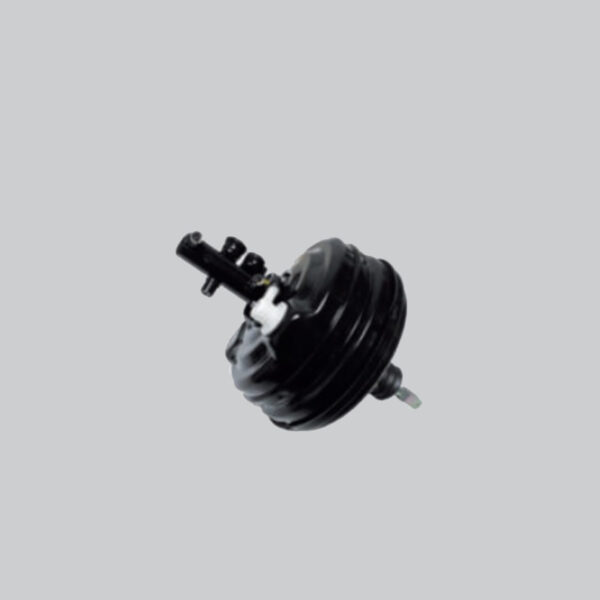
Maintenance of the Brake and Braking System: The Importance of the Brake Booster
In this section of our online store, you will find a specialized selection of brake boosters specifically intended for heavy-duty vehicles. This component is a critical part of the active safety system, as its main function is to multiply the force applied by the driver to the pedal, enabling effective and controlled stopping of trucks, buses and industrial vehicles without requiring excessive physical effort.
Our catalogue is aimed at professional workshops and fleet managers who require technical spare parts to restore the vehicle’s original braking capability. A brake booster in optimal condition not only improves the vehicle’s response in unexpected situations but is also essential for the proper operation of pneumatic or hydraulic circuits and for successfully passing vehicle technical inspections.
Criteria for choosing the correct replacement part
- OEM reference: Always verify the original reference number of the replaced part to ensure full compatibility with the vehicle system.
- Vehicle type and tonnage: Heavy-duty vehicles require different pressure specifications and diaphragm sizes compared to light vehicles; make sure the replacement supports the appropriate workload.
- Actuation system: Identify whether your vehicle uses a vacuum, hydraulic or pneumatic system, as brake booster design varies significantly between these technologies.
- Dimensions and mounting: Ensure that the cylinder dimensions and mounting points match the available space in the chassis or cabin.
- Condition of auxiliary components: When selecting the part, consider also inspecting the brake master cylinder and check valves, as they operate together.
Frequently Asked Questions
What symptoms indicate a faulty brake booster in a heavy-duty vehicle?
The most evident symptom is a hardened brake pedal, requiring much more force to stop the vehicle. You may also hear air hissing sounds when pressing the pedal (indicating vacuum or pressure leaks) or notice engine speed changes when braking at idle.
What is the difference between a pneumatic and a vacuum brake booster?
The difference lies in the energy source. A vacuum brake booster uses vacuum generated by the engine or a vacuum pump, common in light diesel vehicles. In contrast, heavy-duty pneumatic systems use compressed air stored in reservoirs to assist braking with greater power.
Is it necessary to bleed the system when replacing this component?
Yes, it is generally essential. Replacing the brake booster often requires disconnecting the master cylinder or hydraulic/pneumatic lines. This may introduce air into the circuit, so proper bleeding must be performed to ensure pressure is effectively transmitted to the wheels.
How often should this component be inspected?
There is no fixed mileage for replacement, but it is recommended to visually inspect it during every preventive maintenance service. Check the tightness of seals, the condition of the internal diaphragm and the absence of external corrosion that could compromise the housing.
