




Engine mounts
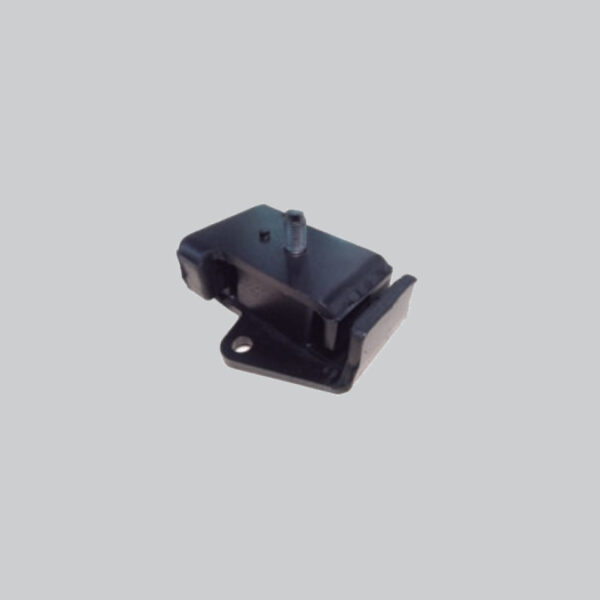
Specialized Catalogue of Engine Mounts for Heavy-Duty Vehicles
This section brings together a technical selection of **engine mounts** and mounting components, critical elements for mechanical stability in the transport and industrial machinery sectors. These spare parts are designed to secure the engine block to the chassis, effectively managing the weight of the power unit and the torsional forces generated during operation.
Our range is aimed at maintenance professionals and fleet owners who require components capable of withstanding the high workloads of heavy-duty vehicles. A mount in good condition is essential to isolate vibrations, prevent material fatigue in the chassis and ensure comfort inside the cabin.
Through this online catalogue, you can locate replacement parts manufactured to quality standards that guarantee durability and precise fitment, facilitating repair and corrective maintenance tasks.
Key aspects for choosing the appropriate mounting component
- OEM reference: Always consult the original reference number of the part to be replaced to guarantee 100% compatibility with the vehicle.
- Mounting location: Identify whether you need a front, rear, left or right mount, as geometry and strength vary depending on its position on the chassis.
- Technology type: Verify whether the vehicle requires hydraulic mounts (for greater absorption) or rubber-metal mounts (more rigid and durable), according to the manufacturer’s specifications.
- Vehicle application: Ensure that the part supports the tonnage and the specific engine configuration of your truck or industrial vehicle.
Frequently Asked Questions
What is the main function of engine mounts in trucks?
Their function is twofold: to firmly secure the engine to the vehicle chassis to prevent dangerous movement and, at the same time, to absorb vibrations and engine torque. This protects the rest of the drivetrain and structural components from premature wear.
When should engine mounts be replaced?
Replacement is recommended if you notice a significant increase in vibrations inside the cabin (especially at idle), metallic knocking noises when starting or braking, or if visual inspection reveals cracks, breaks or deformation in the rubber mount.
How can I confirm part compatibility?
To ensure you select the correct replacement, you must compare the manufacturer’s reference (OEM) shown on your old part or in the vehicle’s parts manual. You may also use our search filters based on the exact make and model.
What is the difference between a hydraulic mount and a rubber-metal mount?
Rubber-metal mounts use the elasticity of rubber to isolate vibrations and are highly robust. Hydraulic mounts contain fluid inside, offering more sophisticated and efficient damping against low-frequency vibrations, common in large-displacement diesel engines.
