




DPF tanks
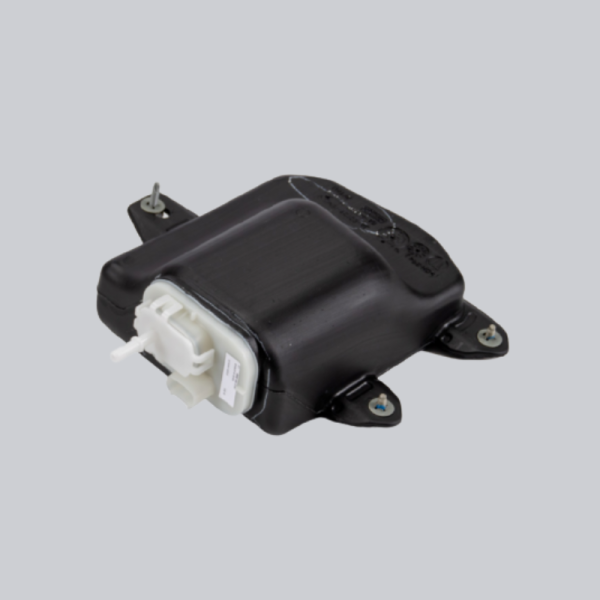
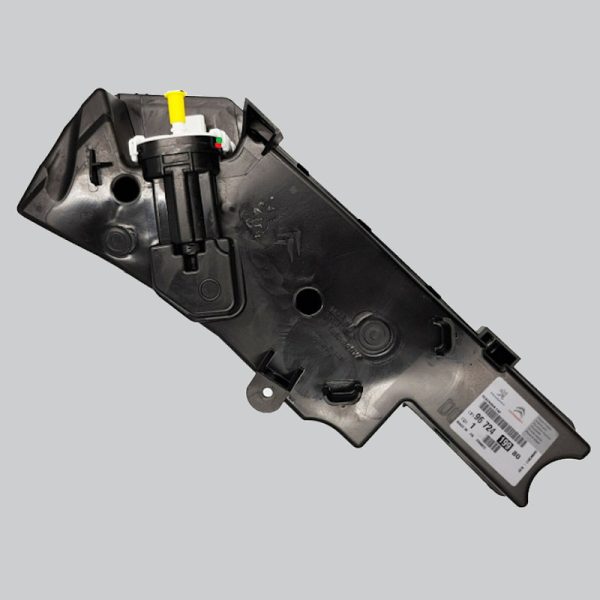
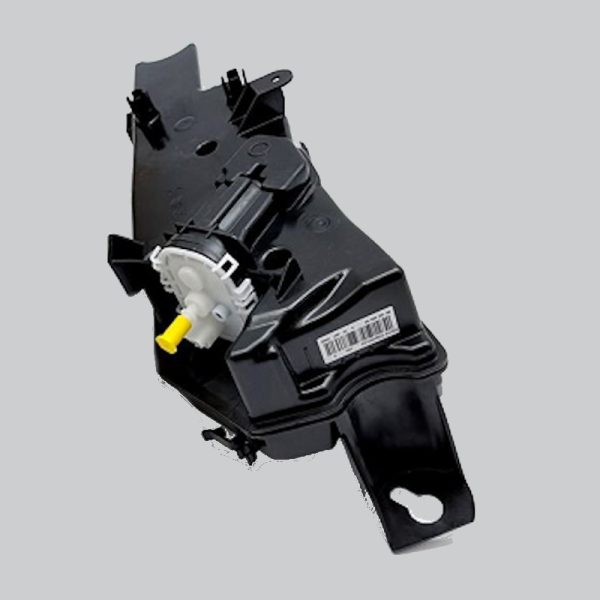
Optimization of the exhaust system with DPF tanks
In this section you will find a technical range of DPF tanks, essential components for the proper operation of exhaust aftertreatment systems in heavy-duty and commercial vehicles. These reservoirs are responsible for storing and managing the additive required to facilitate particulate filter regeneration, ensuring that the exhaust system operates within the appropriate back pressure and temperature parameters.
This catalog is aimed at professional mechanics, fleet managers, and industrial vehicle owners who require reliable replacement parts. Keeping the additive dosing system in good condition is crucial to prevent filter blockages, reduce consumption, and ensure compliance with current environmental regulations without compromising engine performance.
Criteria for selecting the right additive tank
- OEM reference verification: The safest way to guarantee compatibility is to match the original part number with the selected replacement.
- Compatibility by model and engine type: Ensure that the tank is specific to the make, model, and year of the heavy-duty vehicle, paying attention to the engine code.
- Integrated pump and sensors: Check whether the tank includes the additive pump and level sensor, as in many modern systems they form a single unit.
- Capacity and mounting points: Verify that the storage volume and chassis mounting points match the vehicle’s technical specifications for installation without modifications.
Frequently asked questions
What is the function of the DPF tank in the exhaust system?
Its main function is to store and dose the additive fluid that reduces the combustion temperature of the particles accumulated in the filter. This allows the exhaust system to carry out active or passive regeneration efficiently, preventing saturation that could damage the engine.
Why do additive tanks fail?
The most common causes include physical impacts to the underside of the vehicle that crack the container, failures in the internal electric pump, or issues with the level sensor. As exposed components containing corrosive fluids, they may also deteriorate over time.
Are the tanks supplied filled with additive?
As a general rule, replacement tanks are supplied empty for transport safety reasons. The professional responsible for installation must fill it with the specific additive type (Eolys fluid or another compound) recommended by the heavy-duty vehicle manufacturer.
How can I confirm availability for a specific model?
You can check current stock directly on the product page. If you cannot find the exact reference for your industrial vehicle, we recommend contacting our professional advisory service to verify compatible alternatives or restocking lead times.
