




NOx sensors
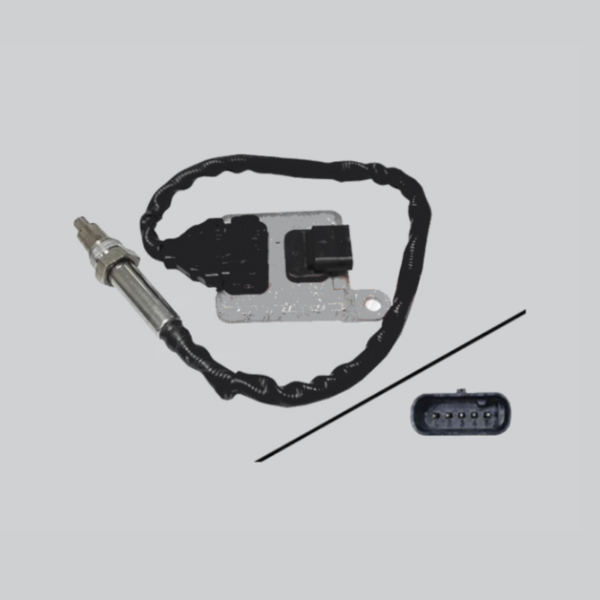
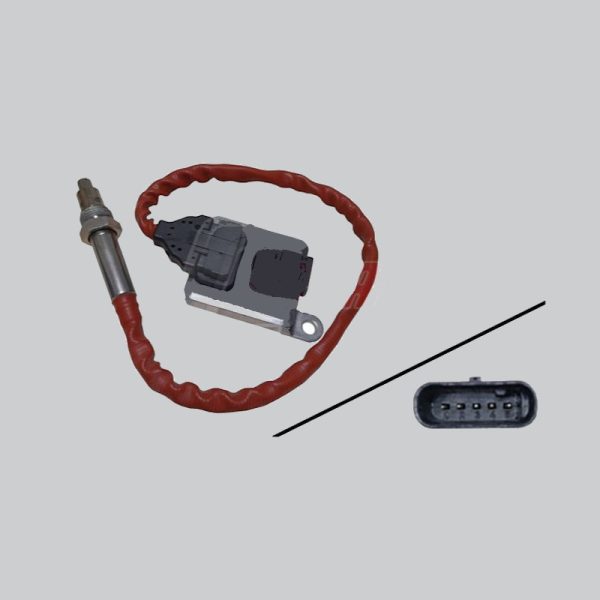
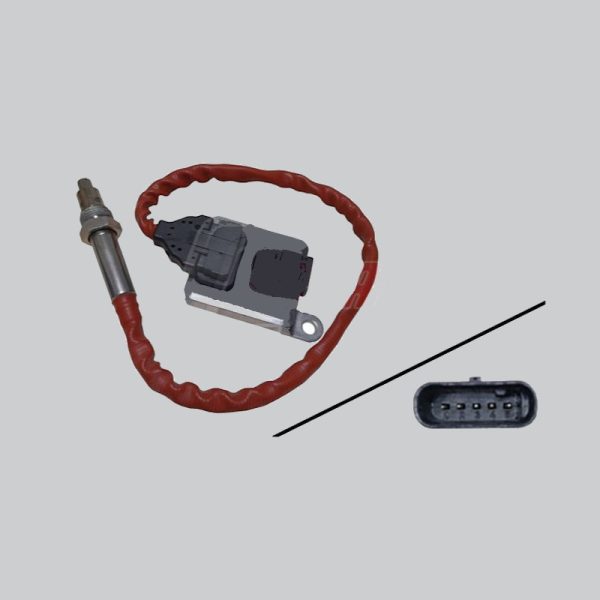
Range of NOx Sensors and Electrical Components for Industrial Vehicles
In this specialized section, you will find a wide variety of NOx sensors designed to integrate correctly into the exhaust system of trucks and buses. These components are key parts within the Electrical category, responsible for monitoring nitrogen oxide concentration in real time to ensure compliance with environmental regulations.
Our range of spare parts is aimed at professional workshops and transport companies that need to replace faulty components in order to avoid power restrictions or penalties. Having a compatible and precise sensor ensures proper operation of the SCR (Selective Catalytic Reduction) system and optimizes AdBlue consumption in heavy-duty vehicle fleets.
Technical factors for choosing the correct sensor
- OEM reference: Verify the original part number engraved on the old sensor to ensure exact compatibility.
- Mounting position: Distinguish between the sensor located before the catalyst (upstream) and the one positioned after it (downstream), as they have different calibrations.
- Operating voltage: Confirm whether the vehicle’s electrical system operates at 12V or 24V before placing the order.
- Emission standard: Ensure that the replacement corresponds to your engine’s Euro standard (Euro 4, 5 or 6).
- Connector type: Check the plug shape and pin configuration to ensure connection with the control unit.
Frequently Asked Questions
What is the function of a NOx sensor in trucks and buses?
Its main function is to measure the amount of nitrogen oxides in the exhaust gases and send this information to the engine control unit (ECU). This allows regulation of urea (AdBlue) injection to neutralize harmful emissions and comply with current pollution standards.
What are the symptoms of a faulty sensor?
Failures usually manifest through the illumination of the malfunction indicator lamp (MIL) on the instrument cluster, diagnostic error codes, increased fuel consumption and, in many modern vehicles, automatic limitation of engine power or torque.
Are upstream and downstream sensors interchangeable?
No, although they may look very similar physically, they are not interchangeable. The “upstream” sensor measures raw engine gases, while the “downstream” sensor verifies catalyst efficiency. Using one in the wrong position will cause incorrect readings and system faults.
Is calibration required after installation?
In most industrial vehicles, after replacing the component, it is recommended to connect a diagnostic tool to clear previous fault codes and perform an adaptation or reset of learned values, ensuring that the control unit correctly recognizes the new replacement part.
