




Speed sensors
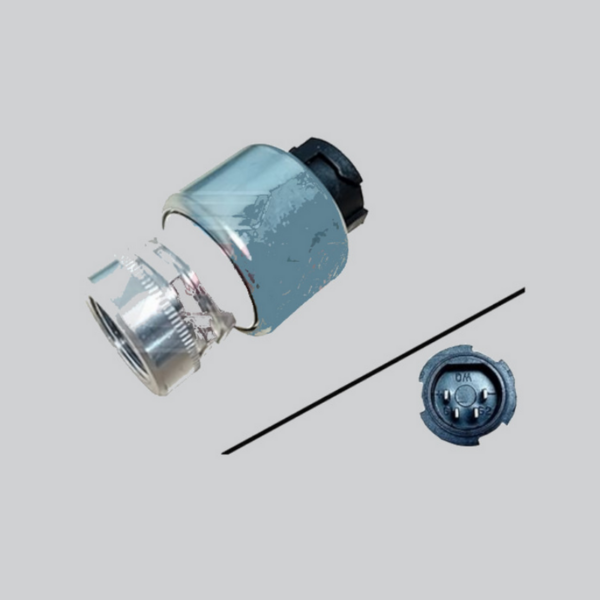
Importance of speed sensors in the electrical system
In this section of the Enrique Requena online catalog, we provide professionals and workshops with a technical range of speed sensors specifically designed for heavy-duty vehicles. These electronic components are essential parts for monitoring the dynamic performance of trucks, buses, and industrial machinery, ensuring accurate real-time data readings.
The proper condition of these sensors is vital for the vehicle’s electronic management. Their function goes beyond the simple speedometer; they send critical signals to the control unit to coordinate active safety systems and engine management within the overall electrical architecture. By purchasing the correct replacement through our store, you ensure data transmission integrity and the efficient operation of auxiliary systems such as ABS or cruise control.
Criteria for selecting the right sensor
- OEM reference: It is essential to verify that the replacement part number matches the original component installed in the heavy-duty vehicle to ensure full compatibility.
- Connection type: Check the connector shape and number of pins (flat or round) to avoid installation issues with the existing wiring.
- Sensor technology: Identify whether the system requires an inductive (magnetic) sensor or a Hall-effect sensor, as they are not interchangeable.
- Cable length: For sensors with integrated wiring, ensure the cable length is sufficient to reach the control unit or connection point without tension.
- Operating voltage: Confirm whether the component is designed to operate in 12V or 24V systems, common in heavy transport.
Frequently asked questions
What is the function of a speed sensor in a truck?
Its main function is to measure the rotational speed of the wheels or the transmission shaft and convert it into an electrical signal. This information is sent to the control unit to manage the speedometer, tachograph, injection system, and ABS brakes.
What are the symptoms of a faulty speed sensor?
The most common issues include erratic or no readings on the speedometer, warning lights on the dashboard (especially ABS or engine), deactivation of cruise control, and sometimes harsh gear shifts in automatic transmissions.
Where is this sensor usually located?
In heavy-duty vehicles, these sensors are typically located in the gearbox (to measure transmission output speed) or directly in the wheel hubs as part of the anti-lock braking system.
Is it necessary to reprogram the control unit after replacing the sensor?
Generally, if it is replaced with a part of the same reference and technical specifications, full reprogramming is not required. However, it may be necessary to clear stored error codes in the ECU using a diagnostic tool after installation.
