




Clutch Cylinders
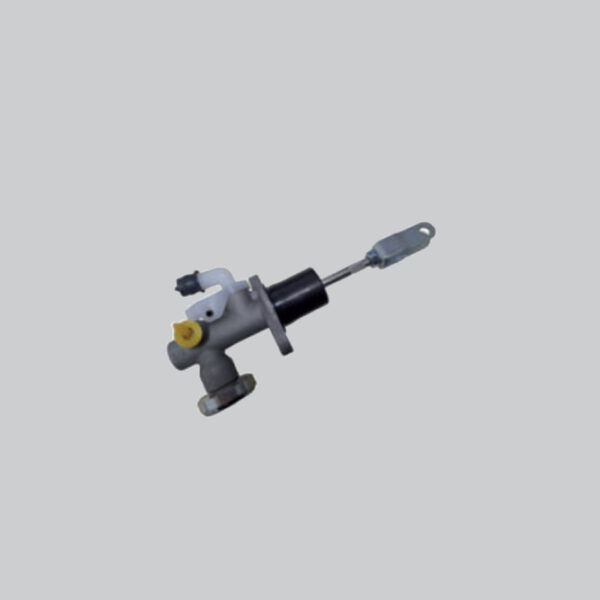
Maintenance of clutch cylinders and the gearbox and transfer case system
In this specialised catalogue you will find a technical selection of clutch cylinders, essential components for the operation of heavy-duty vehicles and trucks. These hydraulic and pneumatic elements are responsible for transmitting the force applied from the pedal to the clutch release mechanism, enabling precise management of the engine’s power to the gearbox and transfer case while driving.
Our offering is aimed at industry professionals, mechanical workshops and fleet managers who require reliable spare parts to carry out replacements due to wear or failure. Keeping the actuation system in optimal condition prevents collateral damage to the transmission, ensuring the operational continuity of the industrial vehicle and facilitating smooth and efficient gear shifting.
Criteria for selecting the right spare part
- OEM reference: Always check the original reference number of the old part to ensure full compatibility.
- Vehicle make and model: Confirm that the cylinder is suitable for the specific series of your truck or heavy-duty vehicle.
- Component type: Distinguish between the master cylinder (pedal) and the servo cylinder or slave cylinder (gearbox) depending on the detected fault.
- Actuation system: Check whether the vehicle’s system is purely hydraulic or hydropneumatic.
- Fitting specifications: Review the mounting points and pipe connections to ensure installation without modifications.
Frequently asked questions
What function do clutch cylinders perform in a truck?
Their main function is to convert the mechanical force applied by the driver on the pedal into hydraulic or pneumatic pressure. This pressure actuates the mechanism that separates the clutch disc from the flywheel, allowing gear changes without damaging the transmission.
What are the symptoms of a faulty clutch cylinder?
The most common signs include a clutch pedal that feels spongy or stays down, difficulty engaging gears, visible hydraulic fluid leaks near the cylinder, or a loss of pressure in the system that prevents full clutch disengagement.
Is it necessary to replace both cylinders (master and slave) at the same time?
Although it is not strictly mandatory, it is recommended to inspect both components. Since they work in the same circuit and experience similar wear, replacing both at the same time can prevent future interventions and ensure the sealing and efficiency of the hydraulic system.
How do I identify whether I need a master cylinder or a servo cylinder?
The master cylinder is connected directly to the clutch pedal in the cab. The servo cylinder or slave cylinder is located in the gearbox area. You should identify where the leak or mechanical failure originates in order to choose the correct replacement part.
