




Brake cables
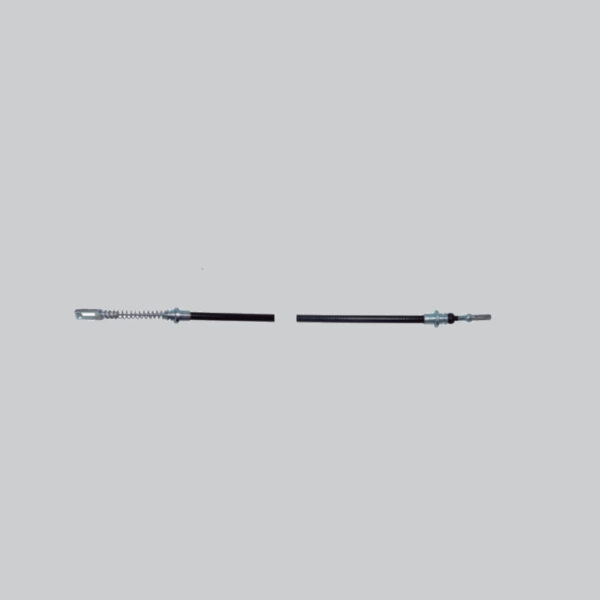
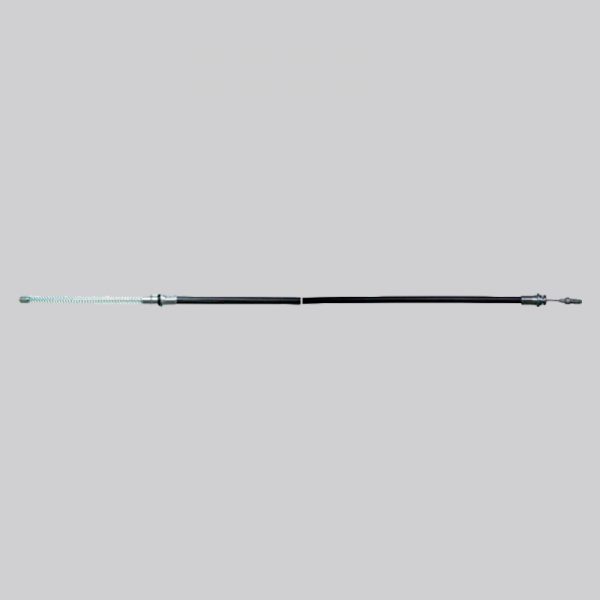
Importance of Spare Parts in the Brake and Braking System
In this section of our online catalogue, you will find a technical selection of brake cables specifically designed to meet the needs of heavy-duty vehicles and industrial transport. These components are the fundamental mechanical link that transmits the force exerted from the actuation control to the brake shoes or retention systems, ensuring an immediate response.
Our range is aimed at professional workshops, fleet managers and drivers who require spare parts for preventive or corrective maintenance of their trucks or buses. Keeping these components in optimal condition is essential to avoid tension failures and to ensure the operability of the vehicle’s entire active safety system.
Criteria for selecting the appropriate cable
- OEM reference: Always verify that the part reference number matches the original vehicle manufacturer’s reference to ensure full compatibility.
- Length and dimensions: Check the total length and the sheath length to avoid unnecessary tension or slack that could affect performance.
- Type of terminals: The end fittings must exactly match those of the installed braking system, whether ball-type, threaded or eyelet.
- Installation position: Identify whether the spare part is for the front axle, rear axle or parking system, as specifications vary.
- Protection and materials: Choose spare parts with corrosion-resistant sheaths and low internal friction to extend service life.
Frequently Asked Questions
When should a brake cable be replaced on a heavy-duty vehicle?
Replacement is recommended when visible wear is detected on the outer sheath, broken steel strands, corrosion, or if the actuation feels stiff. They must also be replaced if the vehicle fails parking or service brake efficiency tests due to excessive material stretching.
How can I confirm that the cable is compatible with my truck?
The safest way to confirm compatibility is through the original reference number (OEM) or by matching the exact vehicle brand, model and year of manufacture. Our product data sheets usually indicate equivalent references to facilitate identification.
What is the difference between a parking brake cable and a service brake cable?
Although their construction is similar, their function and workload differ. The parking brake cable keeps the vehicle immobilized and withstands constant tension over long periods, while service cables (if the system is not fully pneumatic) operate dynamically. Dimensions and strength ratings are calculated for each specific use.
Why do brake cables seize?
Seizing usually occurs due to moisture and dirt entering the protective sheath, causing oxidation of the internal steel cable. This increases friction and prevents the cable from returning to its original position after actuation, resulting in wheels remaining braked or the system failing to operate properly.
