




Brake distributor valves
Maintenance and Spare Parts for the Brake and Braking System
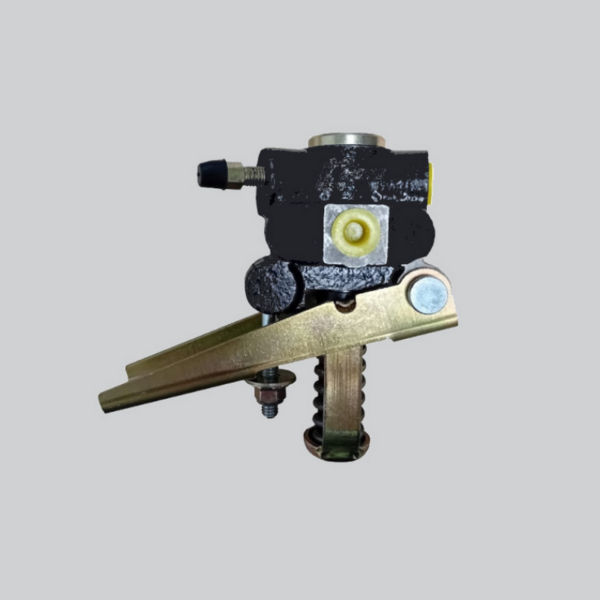
In this category, we offer a technical catalogue focused on brake proportioning valves, essential components for the active safety of industrial and heavy-duty vehicles. These devices are responsible for regulating the pressure applied to the rear axle brakes according to the vehicle’s dynamic load, preventing wheel lock-up and ensuring stable deceleration.
Our selection of components is aimed at mechanical workshops, transport companies and owners who require specific spare parts to restore circuit efficiency. Having valves in proper working condition is vital to reduce braking distance and comply with current safety regulations in the professional automotive sector.
Criteria for choosing the correct proportioning valve
- Manufacturer reference (OE): Always compare the reference number of the old part with the new replacement to ensure absolute compatibility.
- System type: Identify whether your vehicle uses a pneumatic or hydraulic braking system, as the valves differ structurally.
- Vehicle configuration: Verify whether the regulator is suitable for rigid trucks, tractor units or trailers, as calibration varies.
- Connections and threads: Check the diameter and thread pitch of the inlet and outlet ports to avoid installation issues.
- Control mechanism: Determine whether you need a mechanically actuated (rod-operated) or pneumatic valve, depending on the vehicle suspension system.
Frequently Asked Questions
What exactly is the function of a brake proportioning valve?
Its main function is to distribute braking force between the front and rear axles. It adjusts the pressure reaching the rear brake cylinders based on weight transfer during deceleration or the vehicle’s static load, preventing premature rear axle lock-up.
What are the symptoms of a faulty proportioning valve?
The most common signs include rear wheel lock-up during gentle braking, unbalanced or unstable braking, visible fluid or air leaks from the valve body and a spongy brake pedal or excessive pedal travel.
Is it necessary to bleed the system when replacing the valve?
Yes, in hydraulic systems a complete bleeding of the circuit is essential after replacement to remove air bubbles. In pneumatic systems, system tightness must be checked and the appropriate pressure adjustments performed according to the manufacturer’s specifications.
Can any proportioning valve be used on my heavy-duty vehicle?
No, these parts are not universal. Each valve is calibrated for a specific pressure range and chassis type. Installing an incorrect reference can seriously compromise braking performance and vehicle safety.
