




Catalytic-Converters
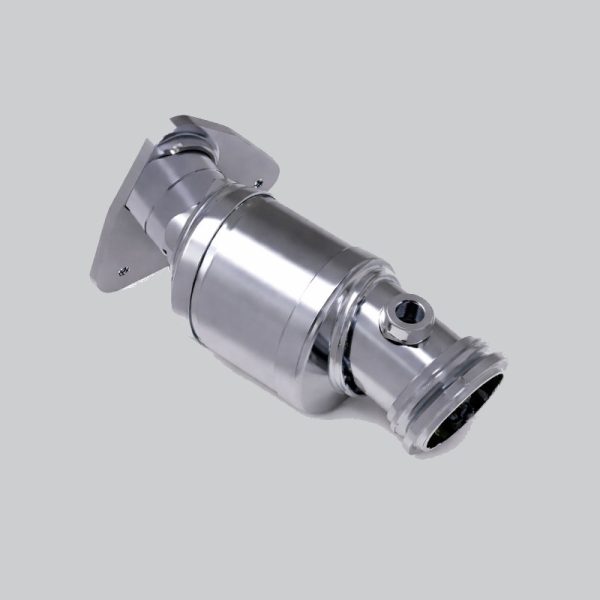
Optimization of the exhaust system through replacement catalytic converters
In this category, we offer a specialized selection of catalytic converters designed to properly integrate into the exhaust system of heavy-duty and commercial vehicles. These components are essential for reducing pollutant emissions, transforming harmful gases through chemical reactions before they are expelled, thus ensuring compliance with current environmental regulations.
Our offer is aimed at industry professionals, workshops, and fleet managers who require reliable replacement solutions when the original component has suffered blockages, monolith breakage, or efficiency loss. Installing the correct replacement restores proper exhaust back pressure, preventing engine faults and ensuring the vehicle passes periodic technical inspections.
Key aspects when choosing the right catalytic converter
- OEM reference: It is essential to match the original manufacturer’s reference number to ensure full mechanical and functional compatibility.
- Emission standards: Verify whether the vehicle must comply with specific standards (such as Euro 4, Euro 5, or Euro 6) in order to select the component with the appropriate precious metal load.
- Engine type: The engine displacement and power of the heavy-duty vehicle determine the exhaust gas flow that the catalytic converter must handle without becoming saturated.
- Dimensions and mountings: Check the inlet and outlet pipe diameters, as well as the mounting bracket configuration, to avoid forced adaptations during installation.
- Sensor condition: It is advisable to verify whether the catalytic converter requires specific ports for Lambda probes or temperature sensors.
Frequently asked questions
What is the main function of catalytic converters in heavy-duty vehicles?
Their function is to trigger a chemical reaction that transforms toxic gases generated by combustion (such as carbon monoxide, hydrocarbons, and nitrogen oxides) into less harmful substances before being released into the atmosphere, complying with current legislation.
When should this exhaust component be replaced?
It should be replaced when it shows external physical damage, internal rattling due to ceramic breakage, or when a blockage is detected that reduces engine power. It is also necessary to replace it if emission readings exceed the permitted limits during vehicle inspections.
What is the difference between a ceramic and a metallic catalytic converter?
The main difference lies in the internal substrate material. Metallic units usually offer lower exhaust flow resistance and greater mechanical resistance to vibrations and thermal shocks, while ceramic units are the standard option in many replacement applications due to their thermal efficiency.
Is it necessary to replace other components when installing a new one?
It is highly recommended to inspect and replace associated sealing gaskets, clamps, and rubber mounts. A leak-free installation is crucial to prevent exhaust gas leaks that could affect sensor readings or generate unwanted noise.
