




Anti-drain treatment
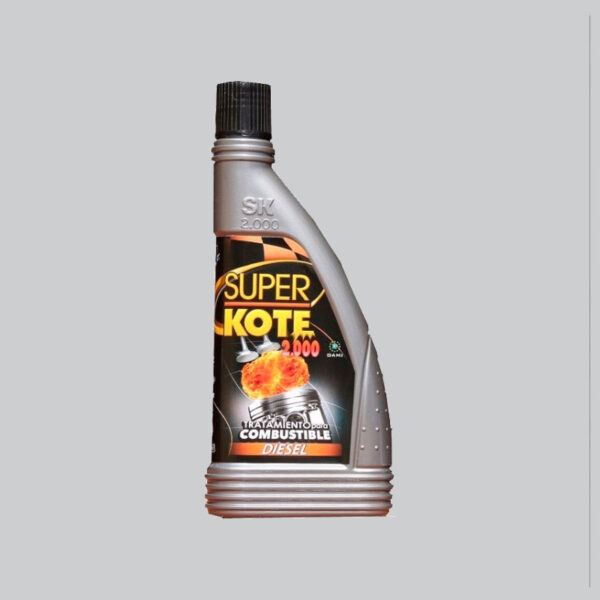
Anti-drain treatment solutions for industrial vehicles
In this section of the catalogue you will find a specialised selection of spare parts intended for anti-drain treatment and fuel protection in heavy vehicles. These components are designed to improve fleet resource management, preventing losses and ensuring tank integrity against external tampering.
Our offering is aimed at professional mechanics and fleet managers looking for durable and reliable replacement parts. Keeping these systems up to date is essential to ensure effective cost control and the proper operational functioning of trucks and industrial machinery under demanding conditions.
Key aspects for choosing the right spare part
- Brand compatibility: Make sure the part is approved for the specific vehicle manufacturer and model.
- Tank dimensions: Check the diameter of the filler neck to ensure a precise, play-free fit.
- Material resistance: Look for components made from steel or alloys resistant to corrosion and continuous contact with hydrocarbons.
- Refuelling flow rate: The design must allow smooth fuel intake, compatible with high-flow hoses.
- Anchoring system: Consider ease of installation and fastening security to prevent forced removal.
Frequently asked questions
What exactly is anti-drain treatment in spare parts?
In the context of physical spare parts, it refers to devices and accessories installed in the fuel system, generally at the tank filler neck. Their function is to prevent unauthorised diesel extraction (anti-siphon) and ensure that the fuel remains in the tank.
Do these devices work for any type of truck?
Not always. Although there are adaptable models, the effectiveness of the anti-drain treatment system depends on an exact fit to the diameter of the tank filler neck. It is crucial to consult the vehicle’s technical specifications before purchasing the spare part.
Can this system slow down refuelling at service stations?
Professionally designed spare parts allow fuel to pass at the standard speed of high-flow pumps. A suitable part features an internal design that facilitates flow without causing splashing or premature automatic shut-off of the nozzle.
When is it recommended to replace these components?
Replacement should be carried out if signs of rust are detected, deformations caused by attempted tampering, or if the anchoring shows play. Preventive maintenance ensures that the fuel protection barrier remains effective at all times.
