




Car Lubricants
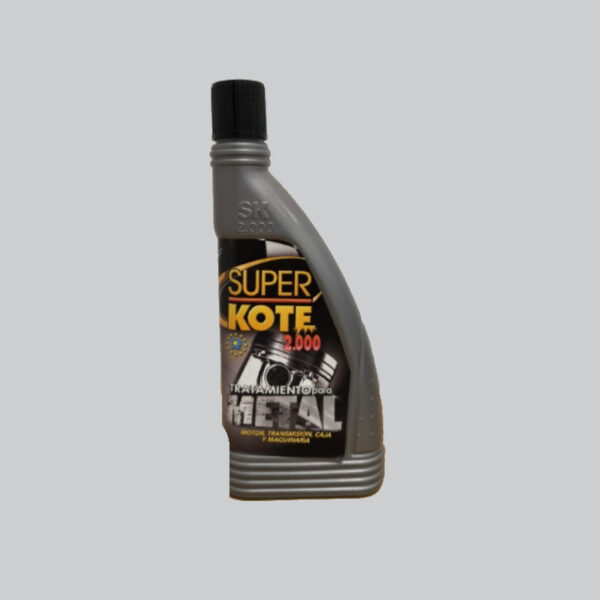
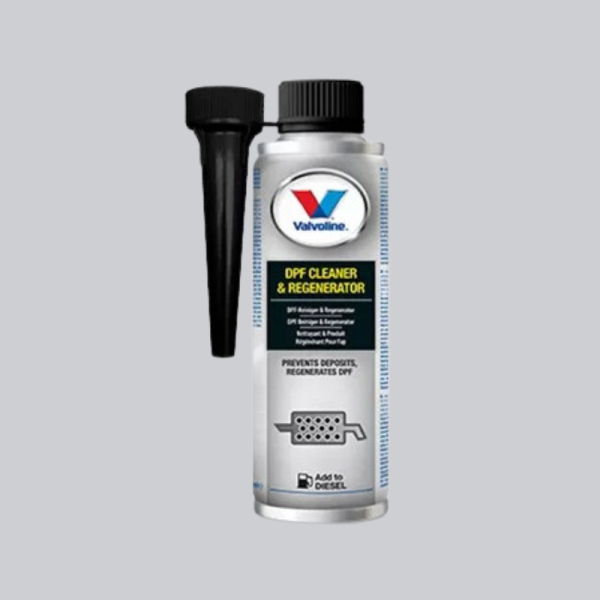
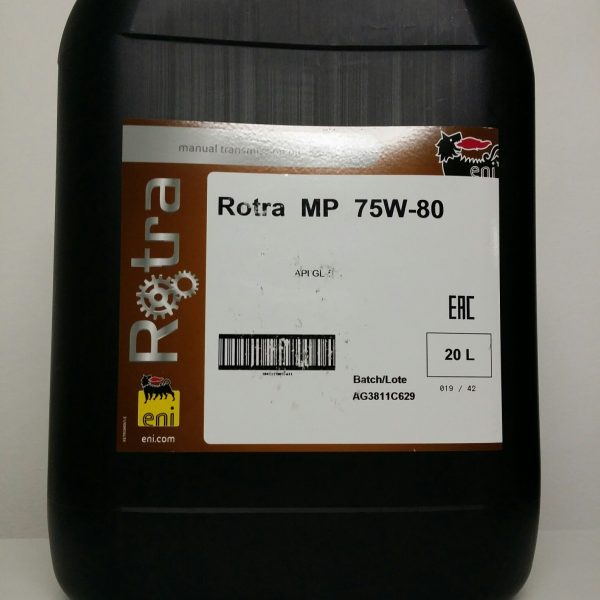
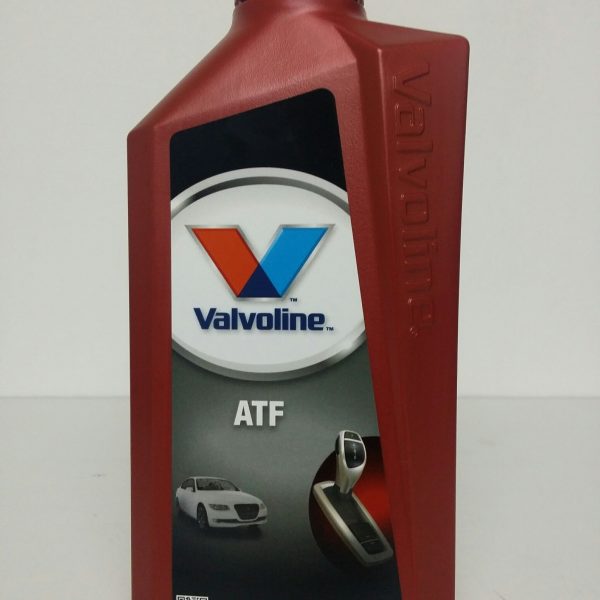
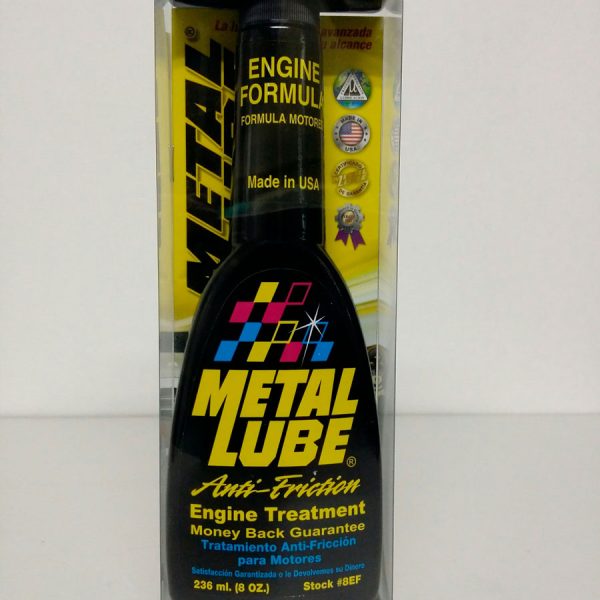
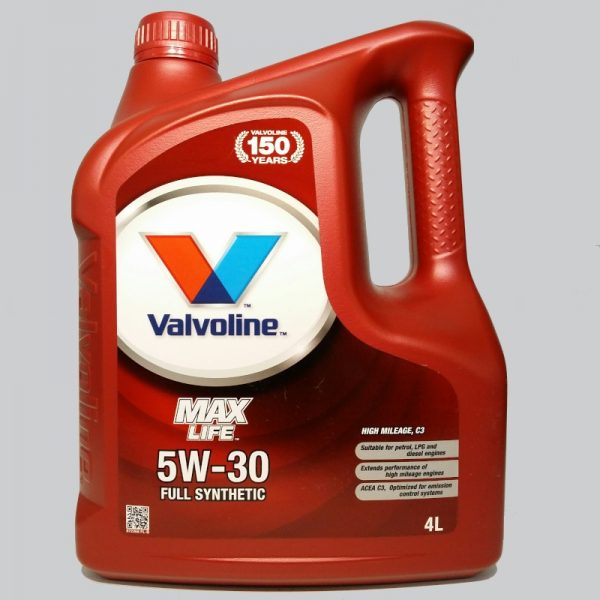
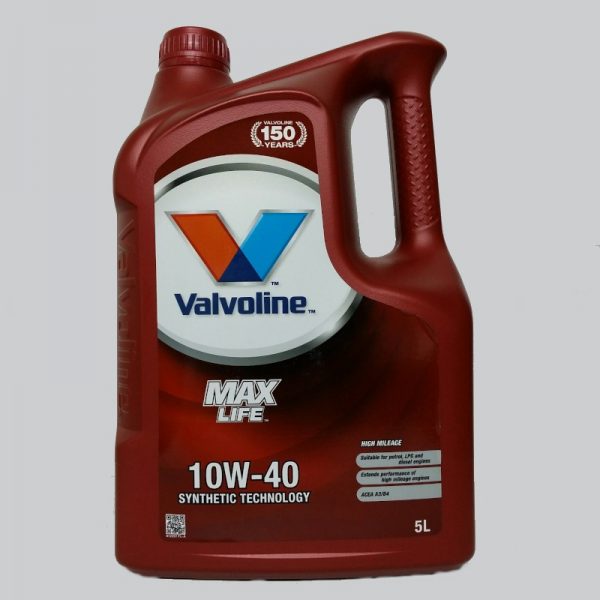
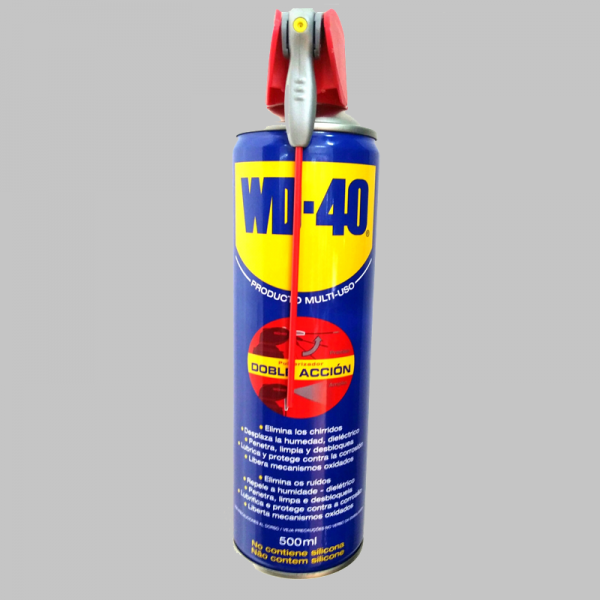
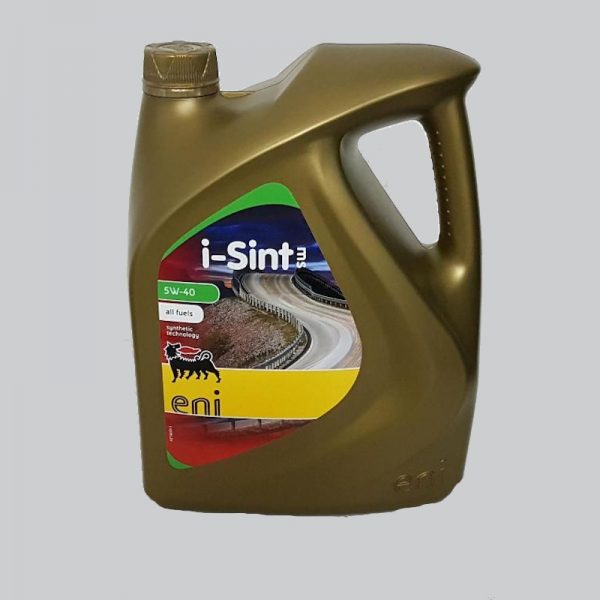
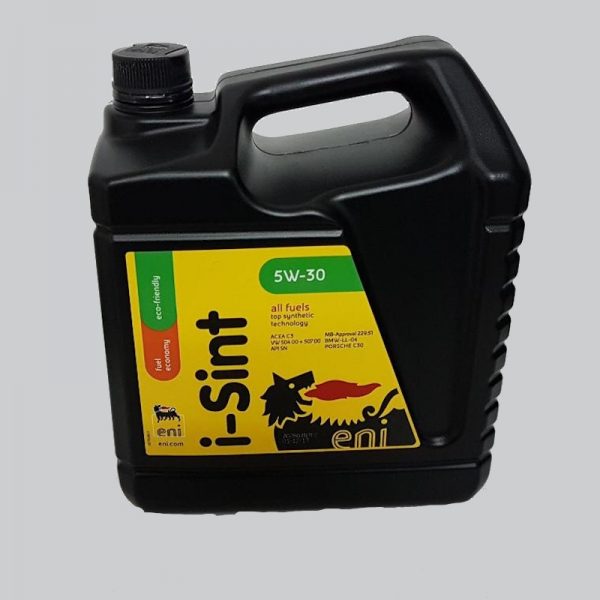
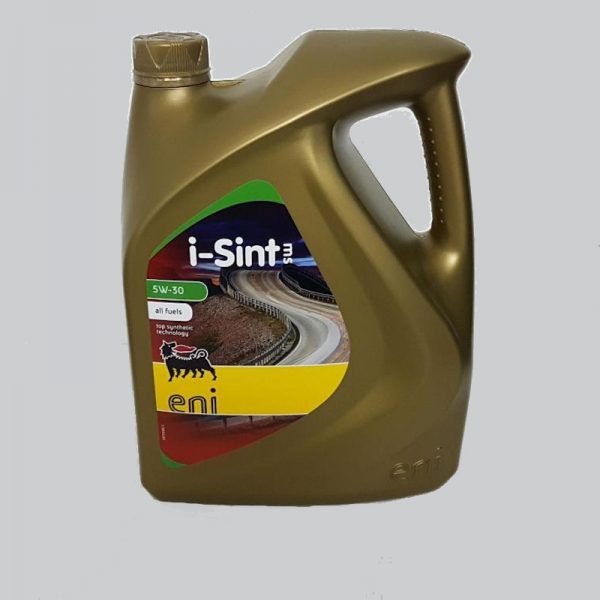
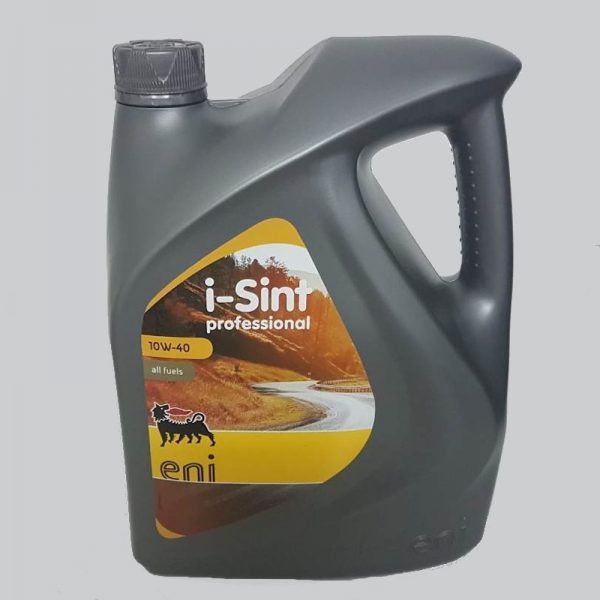
Car lubricants catalog for engine maintenance
In this section of our specialist store you will find a complete selection of car lubricants designed to ensure the proper operation of your vehicle’s mechanical system. Our range includes everything from latest-generation synthetic oils to mineral and semi-synthetic options, covering the needs of both modern passenger cars and older models.
Using the right fluid is crucial to minimize friction between moving parts, aid cold starts, and clean internal engine impurities. These products are aimed at private drivers and industry professionals looking for reliable replacement parts that meet the technical requirements for diesel, petrol, and hybrid engines.
Criteria for choosing the right oil
- SAE viscosity grade: It is vital to follow the recommended rating (e.g., 5W30, 10W40) to ensure the fluid circulates correctly at different temperatures.
- Manufacturer specifications: Check that the product has the approval required by your vehicle’s brand (VW, BMW, Renault, PSA, etc.) to avoid breakdowns.
- Base type: Choose between synthetic oils, which offer greater durability and thermal protection, or mineral oils, which are suitable for certain classic engine designs.
- ACEA and API standards: Check the labels to verify compatibility with modern exhaust aftertreatment systems, such as diesel particulate filters (DPF).
- Container capacity: Select the right litre format according to your vehicle’s sump capacity, or if you need a small container for top-ups.
Frequently asked questions
What function does the lubricant perform in the engine?
Its main function is to create a protective film between moving metal parts to prevent friction wear and seizure. In addition, it helps cool the engine by dissipating accumulated heat, prevents internal corrosion, and keeps parts clean by suspending deposits and carbon build-up.
How often should the oil be changed?
The frequency depends on the base type (synthetic or mineral) and the vehicle model, typically varying between 10,000 and 30,000 kilometres or one calendar year. It is essential to consult the owner’s manual to follow the official maintenance intervals set out by the manufacturer.
What does the 5W30 or 10W40 nomenclature mean?
These numbers indicate the SAE viscosity. The first digit followed by “W” (Winter) refers to the oil’s fluidity when cold during start-up, while the second number indicates its viscosity at operating temperature (100°C). Using the correct index ensures immediate lubrication on start-up and protection at high temperatures.
Is it possible to mix oils from different brands?
Technically it is possible if both have the same viscosity and specifications (ACEA/API standards), although it is not the most recommended practice. Mixing different base oils or additives can alter the fluid’s protective properties, so a complete oil change is advised whenever possible.
