




Truck Lubricants
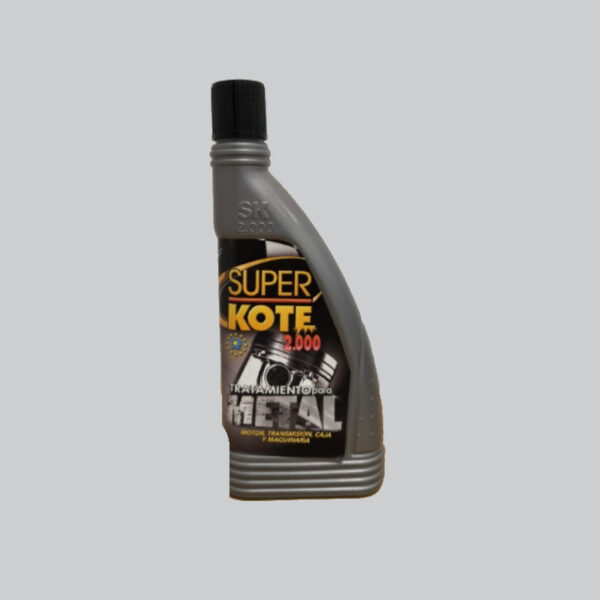
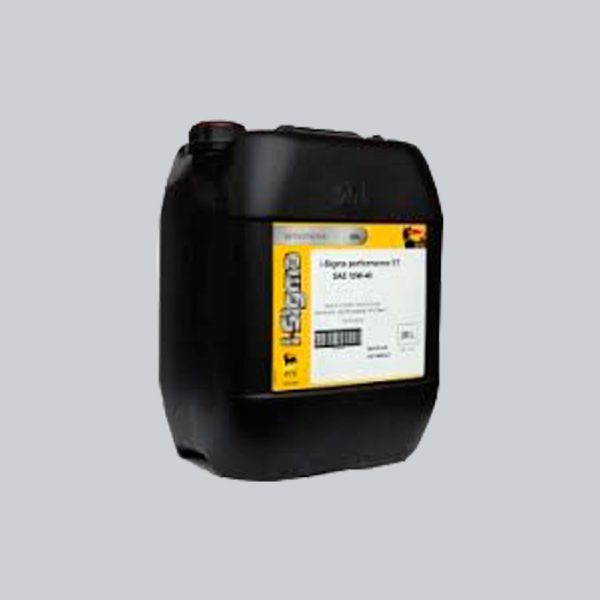
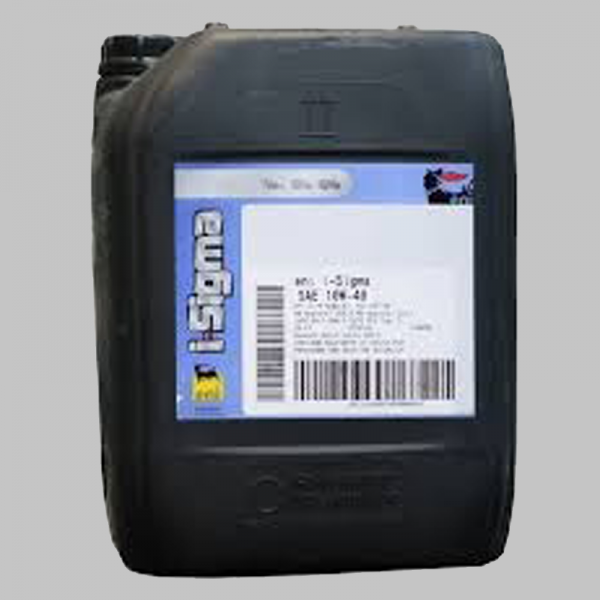
Truck and industrial vehicle lubricant catalogue
In this section you will find a wide range of technical products formulated to meet the demanding requirements of the heavy transport sector. Choosing the right fluid is essential for fleet owners, professional mechanics and owner-operators looking to maximize the service life of their vehicles and ensure reliable operation on the road.
Our selection ranges from engine oils to transmission and differential fluids, covering the preventive maintenance needs of various makes and models. Using the right truck lubricants helps protect against wear, keep the engine clean and improve fuel efficiency—key factors for the vehicle’s operational profitability.
Criteria for choosing the right truck oil
- SAE viscosity: Check the viscosity grade recommended by the manufacturer (e.g., 10W-40, 15W-40, 5W-30) according to the ambient operating temperature.
- Standards and Specifications: Make sure the product meets the ACEA (E7, E9, etc.) or API standards required by your engine.
- OEM approvals: Prioritize oils with the truck brand’s specific approval (MAN, Volvo, Scania, Mercedes-Benz, etc.) to ensure compatibility.
- Compatibility with aftertreatment systems: If the vehicle has a diesel particulate filter (DPF) or SCR systems, choose “Low SAPS” (low-ash) lubricants.
- Base oil type: Choose between mineral, synthetic or semi-synthetic oils depending on the desired drain intervals and the age of the engine.
Frequently asked questions
What is the difference between a synthetic and a mineral lubricant for trucks?
Synthetic lubricants offer greater thermal stability and resistance to oxidation, enabling longer drain intervals and better protection during cold starts. Mineral oils are usually more affordable and are suitable for older engines or those with lower performance demands.
When should I change the oil in a heavy-duty vehicle?
The drain interval varies depending on the engine manufacturer’s specifications, the type of lubricant used and working conditions (long-haul vs. construction sites or urban deliveries). It is essential to consult the vehicle’s maintenance manual to follow the recommended intervals and prevent breakdowns.
What does it mean for an oil to be Low SAPS and why is it important?
Low SAPS oils have a low content of sulfated ash, phosphorus and sulfur. They are essential for modern trucks equipped with exhaust aftertreatment systems, such as diesel particulate filters (DPF), as they prevent premature clogging and ensure compliance with Euro emissions regulations.
Can I mix two different brands of truck lubricant?
Although it is technically possible if both oils have the same viscosity and specifications (API/ACEA), it is not recommended as a regular practice. Mixing different additive packages can alter the protective properties of the resulting fluid. Ideally, always use the same product to top up levels.
