




Lexus
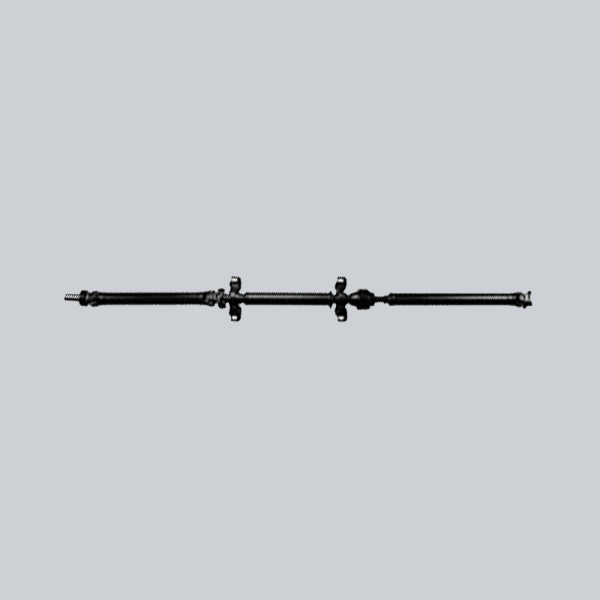
Specialized catalog of LEXUS driveshafts
In this section you will find a technical selection of driveshafts designed to restore traction efficiency in vehicles from the Japanese brand. These components are essential for transferring engine torque to the wheels smoothly, eliminating vibrations and annoying noises caused by wear in the universal joints or the center support.
Our offering covers the needs of both repair shops and private users looking for a reliable, long-lasting replacement. By choosing a model-specific replacement part, correct fitment with the gearbox and differential is ensured, maintaining the comfort and safety performance typical of these vehicles.
Key aspects for choosing the right replacement
- OEM reference: This is the safest method to identify the exact equivalent to the original factory part.
- Model and year of manufacture: Specifications vary significantly between ranges (such as IS, GS, RX or LS) and their respective generations.
- Engine type: The driveshaft length and strength may differ between diesel, gasoline, or hybrid versions.
- Installation position: Check whether you need the front section, the rear section, or the complete longitudinal shaft.
- Total length: If in doubt, measuring the old driveshaft from end to end (compressed) helps confirm compatibility.
Frequently asked questions
What are the symptoms of a faulty driveshaft in a Lexus?
The most common signs include strong vibrations that increase with speed, metallic noises (clack-clack) when setting off or changing direction, and a constant humming coming from the underside of the vehicle due to wear of the center bearing.
How do I know if the driveshaft is compatible with my exact model?
Compatibility depends on the chassis and transmission configuration. We recommend always checking the vehicle’s technical data sheet and comparing the reference number on the old part with the new replacement to avoid installation errors.
Do the driveshafts come balanced?
Yes, as a general rule, driveshafts are supplied dynamically balanced from the factory. This is crucial to ensure smooth rotational operation and prevent resonances that could damage other mechanical components in the long term.
Is it necessary to replace the flex disc when replacing the driveshaft?
Although it is not always mandatory, it is highly recommended to inspect and also replace the flex discs or elastic couplings if they show cracks or dryness. A flex disc in poor condition can reduce the service life of the new driveshaft by not properly absorbing engine torque irregularities.
