




Brake proportioning valves

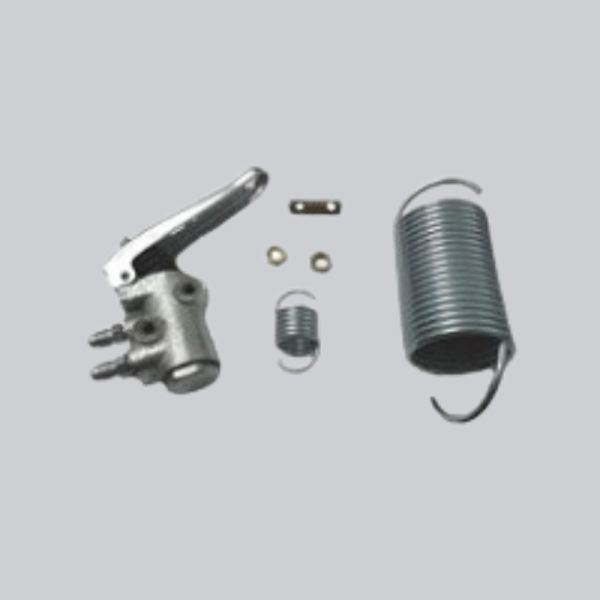
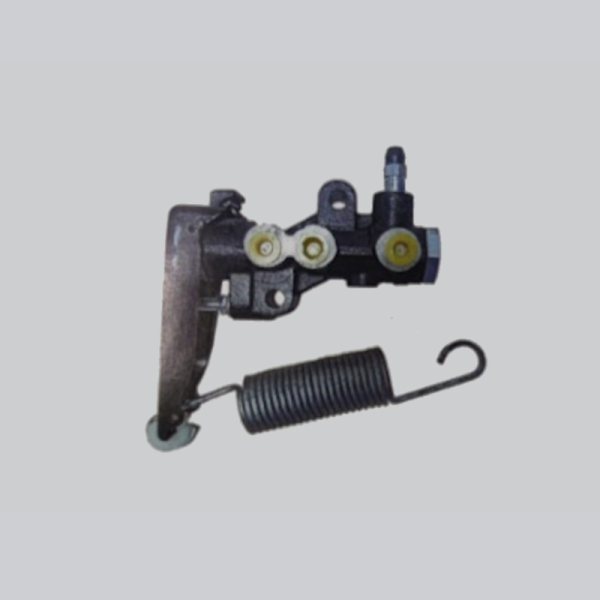
Brake and Braking Components: Pressure Distribution Valves
In this section of our online catalogue, we offer a specific selection of brake proportioning valves aimed at the maintenance of heavy-duty vehicles and commercial fleets. These regulating valves are critical elements for active safety, managing braking force distribution between axles according to the vehicle’s dynamic load, thereby preventing dangerous imbalances while driving.
The available spare parts cover various transport sector applications, allowing mechanics and fleet managers to find the exact component for replacements or comprehensive repairs. By selecting the correct model, the original system efficiency is restored, preventing premature rear wheel lock when the truck or trailer operates without maximum load.
How to choose the appropriate proportioning valve
- Original reference (OEM): The safest method is to compare the reference number engraved on the old part or consult the manufacturer’s parts breakdown.
- System type: Identify whether the vehicle uses a purely pneumatic system or a mechanical-hydraulic variant.
- Component brand: Verify compatibility with the installed braking system (for example, Wabco, Knorr-Bremse or Haldex) to ensure proper installation.
- Vehicle configuration: Consider whether the replacement is for a tractor unit, rigid truck or semi-trailer, as pressure curves vary.
Frequently Asked Questions
What is the main function of brake proportioning valves in a truck?
Their function is to modulate the air or fluid pressure delivered to the rear axle brakes based on the vehicle’s load. This prevents wheel lock-up during braking when the vehicle is empty or lightly loaded, maintaining directional stability.
What are the symptoms of a faulty brake proportioning valve?
The most common failures include rear wheel lock-up during light braking, unusually long braking distances or audible air leaks around the valve area. Irregular and accelerated wear of the rear tires may also be observed.
Is it necessary to adjust the valve after installation?
Yes, most load-sensing proportioning valves require adjustment and calibration after installation. The output pressure must be set according to the vehicle’s specification plate (calibration plate) to ensure the correct relationship between load and braking force.
Where is this component typically located?
In industrial vehicles, the proportioning valve is usually located near the rear axle, connected to the chassis and axle by a rod or spring. This position allows it to detect suspension height variation, which indicates the vehicle’s load level.
